

Coach Bag Styles Materials Guide Tips from Stylists
Looking After Coach Leather, Canvas and Suede
Everything in this guide is general material practice instead of brand instructions, since our research found no official care guidance that Coach has published. It matters as finishes change between seasons, which means the label or product description for your own item should always take priority. Coach works with several markedly different materials, including glovetanned, pebbled and patent leather, Signature canvas and jacquard, suede and shearling. The guide handles them one at a time, as each one responds differently to water, heat, oil and friction. It is the material, not the place of purchase, that decides how to look after a coach bag, whether it came from a flagship or a coach outlet. A straightforward weekly routine covers most of the basics, and before using any cleaner, conditioner or spray, test it on a hidden area and wait a day to see how the surface responds.
- Take everything out of the bag, then clear away crumbs, receipts and loose debris.
- Dust the outside with a soft, dry cloth.
- Deal with any marks using the method for that material.
- Let any damp areas air-dry away from heat and sunlight.
- Lightly stuff the bag and return it to a breathable dust bag.
Glovetanned Leather
Glovetanned leather is the finish Coach patterned on the way a worn baseball glove softens, and Coach presents it as leather designed to improve with use. As a result, gentle, regular handling helps more than heavy treatment. Wipe away dust and light marks with a soft, dry cloth, and blot spills straight away rather than pushing them into the surface. The standard approach once the leather looks dry is a small amount of conditioner made for smooth leather, spread thinly and buffed away. Apply conditioner sparingly and only occasionally, as too much can darken the colour or leave a tacky feel; in coach outlet the same way, let rain spots dry naturally at room temperature, as radiators and hairdryers can stiffen or crack leather. Over time the surface takes on a patina, and on vintage pieces that softer, mellowed look is part of the appeal rather than damage. In contrast, look closely before buying any supposedly vintage glovetanned bag that feels plasticky or is peeling.
Cleaning Pebbled, Smooth and Patent Leather
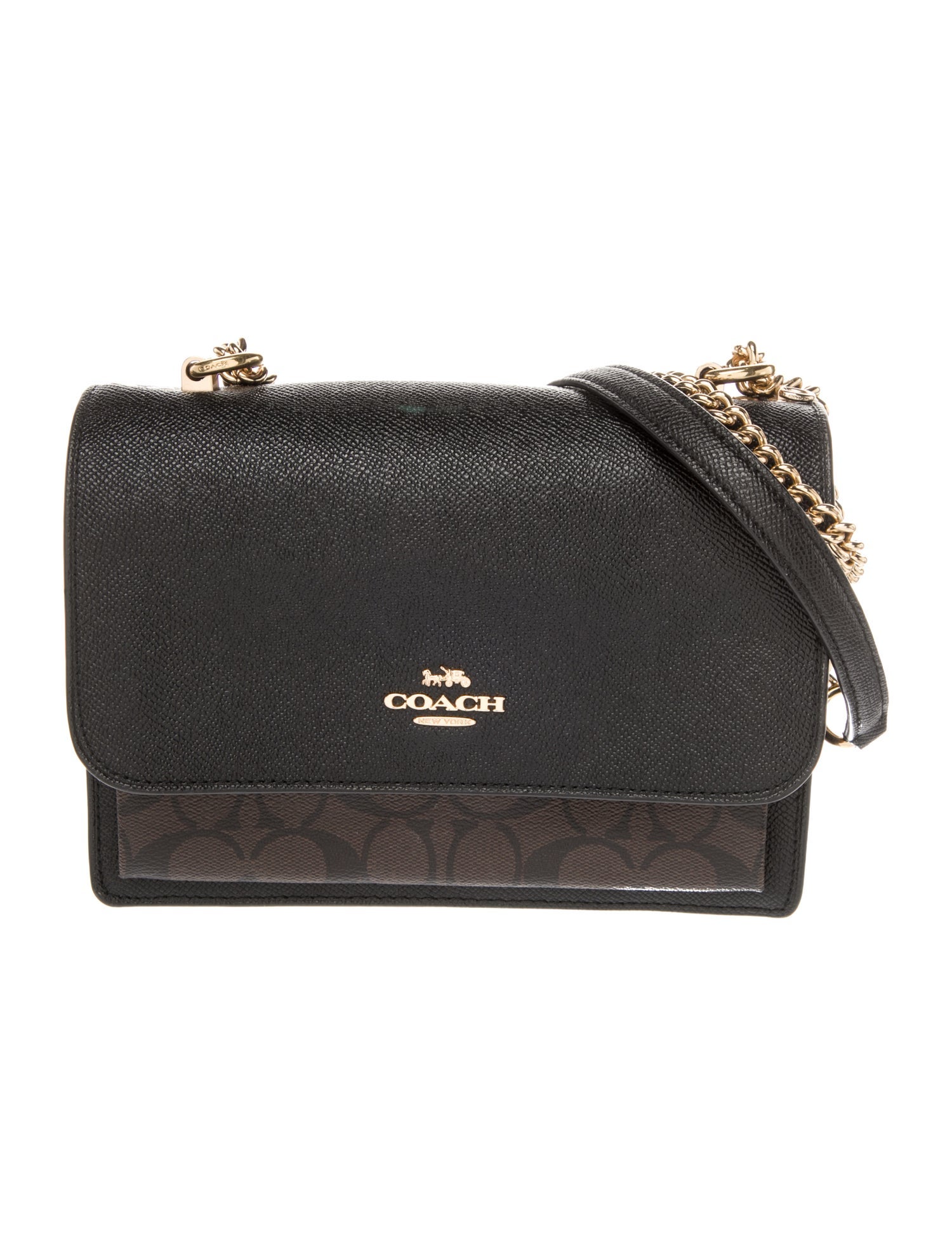
Pebbled leather has a textured grain that usually hides small scuffs better than a smooth finish, and features in families such as the Willow. It typically needs nothing more than a dry microfibre cloth and an occasional light conditioning. Since smooth leathers show scratches more readily, store keys and sharp objects in an inner pocket or a pouch. Patent leather, used for some versions of the Soho Bag 25, has a glossy surface that can pick up dye from printed paper and dark fabrics. Store patent pieces separately from other items, and use a soft, slightly damp cloth to remove fingerprints. Skip home products entirely with exotic skins, such as the alligator offered on a Rogue 25, since they require specialist attention and a professional’s help. Baby wipes, alcohol and household sprays can strip or dull the finish, so keep them away whatever the leather, and never soak it.
Looking After Signature Canvas and Jacquard
Among coach handbags, canvas versions of bags such as the Juliet Shoulder Bag 25 and jacquard versions of the Soho Bag 25 feature the Signature “C” pattern that dates to 2001. Since the two behave differently, check which base material you have in the product description; a coated surface can usually be wiped with a cloth dampened with water and a drop of mild soap, then dried with a clean towel. Woven jacquard is closer to a textile, so blot stains gently and avoid scrubbing, which can fuzz the weave. If your bag combines the pattern with leather trim, keep water off the handles and edges and treat those parts as leather. No canvas bag should ever go through a washing machine or tumble dryer, because its structure and hardware can distort there. Light-coloured pieces can pick up dye from dark denim, so a quick wipe after wearing new jeans helps prevent any build-up. A coated surface can keep deep creases for good, so keep canvas bags stuffed and upright too.
Looking After Suede and Shearling
Suede features across coach clothing and footwear, in pieces including the laceless Skate Sneaker and the suede coats shown in the Fall 2026 collection. Compared with smooth leather, its open, napped surface marks more easily, most of all with water, oil and grease. Brush suede regularly with a soft suede brush, working in one direction, to clear dust and revive the nap. Dry marks can often be lifted with a suede eraser, while oily stains are best left to a specialist cleaner, and if suede becomes wet, blot it, stuff shoes or sleeves with paper, and let it dry slowly away from direct heat before brushing. Shearling coats need broad hangers, a breathable cover and professional cleaning for anything more than light surface dust. A protective spray made for suede can help, but test it first, because some sprays darken certain colours.
- A soft-bristled suede brush
- A suede eraser for lifting dry marks
- Plain paper for stuffing shoes and sleeves
- A suede protector spray, patch-tested on a hidden area
Hardware, Linings and Storage
Turnlocks and kisslock frames deserve the same attention as the leather around them. Wipe hardware with a dry cloth after use, and keep metal polish away from nearby leather, which it can discolour. Empty the bag regularly and carry liquids in a sealed pouch, since linings collect crumbs, pen ink and makeup. For storage, stuff bags lightly with acid-free tissue to maintain their shape, and keep them upright in a breathable dust bag rather than plastic, which locks in moisture. Avoid hanging heavy bags by their straps for long periods, because handles and strap anchors can stretch, and store sneakers and leather goods in a cool, dry place out of direct sunlight, which can dull colour. If you are reading a coach review before buying, pay attention to the materials it mentions, because they decide how much of this routine a piece will need.
| Material type | Routine care | What to avoid | Call in a specialist for |
|---|---|---|---|
| Glovetanned leather pieces | A dry cloth and occasional light conditioner | Direct heat, soaking, heavy conditioning | Deep stains or cracks |
| Pebbled and smooth leather | Soft microfibre cloth | Alcohol and household sprays | Colour loss or tears |
| Patent leather finishes | Soft, slightly damp cloth | Touching print or dark fabric | Serious dye transfer |
| Coated canvas pieces | Damp cloth with mild soap | Washing machines and dryers | A coating that peels or cracks |
| Jacquard weave | Gentle blotting | Hard scrubbing | Set-in stains |
| Suede and shearling pieces | Soft brush and suede eraser | Water, oil or direct heat | Oily or large stains |
| Exotic leathers | Only light dusting | Every home cleaning product | All cleaning and repairs |
When to Seek Professional Help
A specialist leather cleaner or repairer deals with some damage better than home products can. Proper tools and materials are usually what it takes to fix peeling edge paint, torn linings, loose stitching and broken hardware. Coach’s own (Re)Loved programme cleans and repairs pre-owned bags for resale as Restored pieces, which shows how much an older bag can be revived, and its trade-in scheme, which is available in North America retail stores and select UK and Japan stores, reportedly excludes outlet and canvas items. If you are unsure what help is available locally, ask at a coach store, and shoppers searching coach uk can begin with the Coach House on Regent Street in London. For any service conversation or a later sale, save receipts and dated photos of your item. Above all, catch small problems early: a loose thread or a scuff is far easier to fix than a split seam.
