

Exploring the cultural significance of gambling in various societies
Exploring the cultural significance of gambling in various societies
The Historical Roots of Gambling
Gambling has deep historical roots, tracing back thousands of years to ancient civilizations. Archaeological findings suggest that the earliest known gambling activities occurred in China around 2300 BC, where rudimentary games involving dice were played. Similarly, evidence from ancient Egypt indicates that games of chance were a form of entertainment and social interaction among the elites. This historical context highlights how gambling was not merely a leisure activity, but also a reflection of social hierarchies and cultural values. To truly experience this thrill, you can win at Shikaka Casino, which showcases the evolution of gambling.
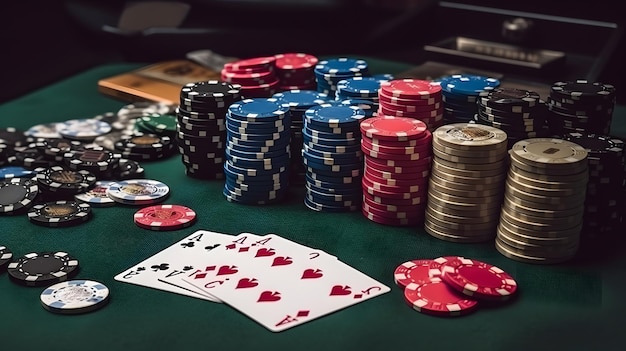
In ancient Rome, gambling flourished, particularly during festivals where citizens engaged in games for fun and profit. The Romans had a wide array of betting games, including dice and board games, often played during public events. This cultural embrace of gambling illustrates its role in fostering community bonds and providing a means of escape from daily life. The acceptance of gambling in ancient societies demonstrates its integral part in human culture, transcending mere chance and becoming a shared social experience.
The historical evolution of gambling reveals that it served not only as entertainment but also as a form of economic activity. Medieval Europe saw the rise of betting on sports, particularly during jousting tournaments. This trend continued to evolve, ultimately leading to the establishment of state-sponsored lotteries and the emergence of modern gambling establishments. Thus, the trajectory of gambling reflects broader societal changes, adapting to cultural shifts while maintaining its allure through the ages.
Gambling as a Social Activity
In various societies, gambling has always served as a significant social activity that fosters connections and community engagement. From family gatherings centered around games to larger public events, the act of gambling creates shared experiences that can strengthen interpersonal relationships. For example, in many Indigenous cultures, gambling activities during festivals are integral to community bonding and celebrating heritage, reinforcing cultural identity and solidarity. Platforms like Shikaka casino Canada also capture this communal spirit by offering interactive gaming experiences.
Moreover, gambling events often act as a catalyst for community development. Local fairs and festivals featuring games of chance can attract visitors, providing economic benefits to the area. This dynamic creates a symbiotic relationship between gambling and community well-being, as the revenue generated can fund local projects and initiatives. The societal acceptance of gambling as a social norm underscores its role in reinforcing community ties while also acting as a vehicle for economic growth.
Additionally, the social implications of gambling can be observed in peer interactions. Whether it’s a friendly poker night or a competitive sports betting scenario, these gatherings often lead to storytelling and camaraderie. Through these interactions, individuals learn about risk-taking, strategy, and even resilience, as the ups and downs of gambling mirror broader life experiences. This social aspect highlights the importance of gambling in fostering human connection and understanding within various cultural frameworks.
Cultural Perceptions and Attitudes Toward Gambling
The perception of gambling varies widely across cultures, influenced by historical, religious, and social factors. In some societies, such as those in Las Vegas or Macau, gambling is celebrated and deeply woven into the cultural fabric. It represents luxury, excitement, and adventure, attracting millions of tourists who seek the thrill of chance. These perceptions contribute to the establishment of large-scale casinos, which are viewed as destinations for entertainment rather than mere sites of financial risk.
Conversely, other cultures view gambling with skepticism or outright condemnation, often rooted in religious beliefs. In countries where Islam is predominant, for instance, gambling is considered haram, or forbidden, reflecting a moral stance against the perceived vice of chance-taking. This cultural perspective impacts the legal frameworks governing gambling, often leading to strict regulations or outright bans, which affect the social landscape regarding gambling practices.
The dichotomy in attitudes toward gambling also reveals the evolving nature of cultural perceptions. While traditional views may promote caution, modern societies are beginning to embrace regulated gambling as a legitimate form of entertainment, accompanied by responsible gaming initiatives. This shift illustrates a broader acceptance of gambling as part of contemporary social life, reflecting changing norms and the integration of gambling into mainstream culture.
The Economic Impact of Gambling on Societies
Gambling has significant economic implications for societies worldwide, serving as a major revenue source for many governments. The establishment of casinos and betting establishments often leads to job creation, tourism growth, and increased tax revenues. In regions where gambling is legalized and regulated, the economic benefits can be substantial, providing funding for public services and infrastructure. This economic aspect emphasizes gambling’s role as not just a personal pastime, but as a contributor to societal prosperity.
Furthermore, the rise of online gambling has transformed the economic landscape, offering new opportunities for both operators and players. Online platforms can reach a global audience, generating revenue that benefits local economies. In Canada, for instance, online casinos like Shikaka casino offer competitive bonuses and a vast array of games, making them an attractive option for players. This digital shift demonstrates how technology and gambling are intertwined, offering fresh economic avenues while also presenting unique challenges for regulation and oversight.
However, the economic impact of gambling is not solely positive. The social costs associated with problem gambling can strain public resources, necessitating a balanced approach to gambling regulation. Governments and organizations must address the potential negative consequences while harnessing the economic benefits. This dual perspective on gambling’s economic impact reflects the complexity of integrating gambling into society, requiring ongoing dialogue and responsible management.
Shikaka Casino: A Modern Example of Cultural Gambling
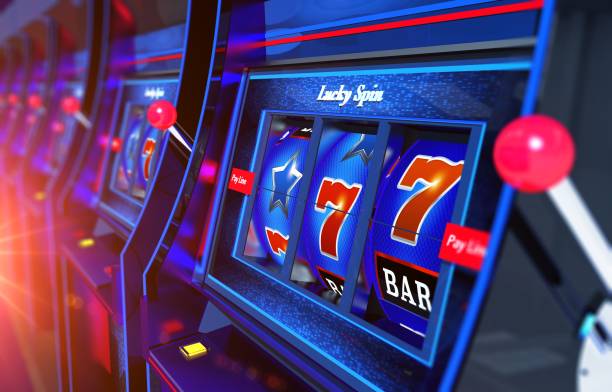
Shikaka Casino represents a contemporary reflection of gambling’s cultural significance in Canada. As an online gaming destination, it offers an expansive library of games that cater to diverse player preferences. The platform is designed to provide a safe and enjoyable experience, featuring over 8,500 games, including traditional slots, live dealer experiences, and sports betting options. This broad selection exemplifies how modern casinos adapt to cultural demands and technological advancements, ensuring that gambling remains relevant.
In addition to its vast game offerings, Shikaka casino emphasizes responsible gaming initiatives, highlighting fair play and user security. This commitment is crucial in today’s gambling landscape, where concerns about problem gambling and online safety are prevalent. By providing resources for responsible gaming, Shikaka casino contributes to a healthy gambling culture that prioritizes player welfare while celebrating the thrill of chance.
The cultural significance of gambling continues to evolve, as illustrated by platforms like Shikaka casino. These modern establishments not only reflect historical practices but also adapt to contemporary societal values, offering players an engaging experience while addressing the complexities of gambling in today’s world. As gambling remains a relevant cultural activity, it is vital for modern operators to balance excitement with responsibility, ensuring that the thrill of gambling is enjoyed in a safe environment.
